The Panama Canal Just Got Busier Again
Here’s What It Means If You’re Thinking About Moving
Daily transit capacity has risen to 33 slots. That is good news for Panama — but the water story is not finished, and neither is the practical question of where you fit into the country.

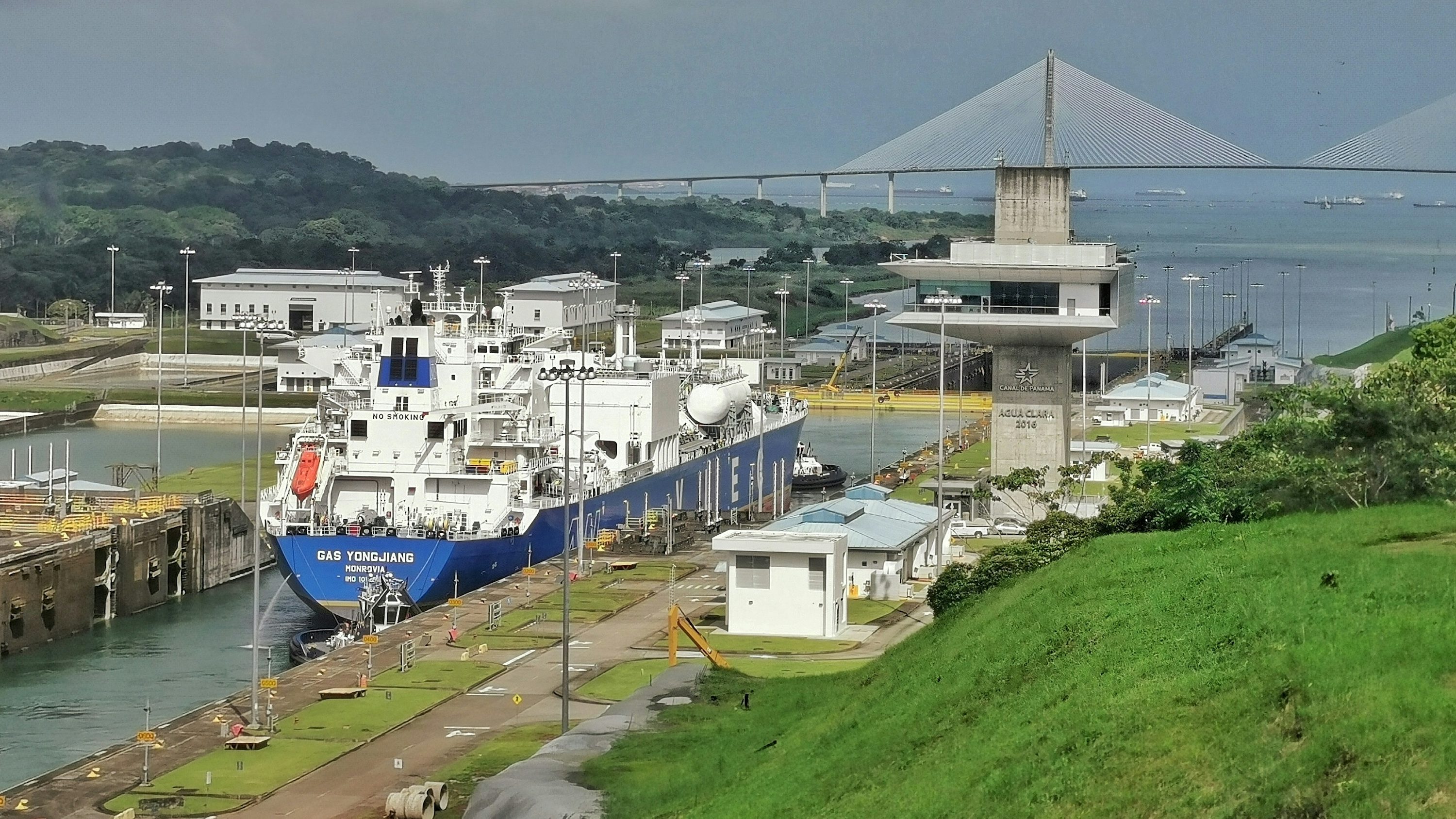
The headline is real: the Panama Canal increased daily Neopanamax transits to 10 on October 15, bringing total daily capacity across its Neopanamax and Panamax locks to 33. The Panama Canal Authority also raised the maximum authorized draft to 14.94 metres, or 49 feet, until further notice. [Panama Canal Authority]
That is a meaningful recovery from the restrictions that made global shipping headlines. It is also a reminder of something people considering Panama often miss: this is not just a postcard country. It is a working country with a giant piece of infrastructure, a serious freshwater challenge, and a local economy that keeps moving while the headlines come and go.
So Is This Good News for Panama?
Yes — with an asterisk. More reliable transit capacity helps protect the Canal’s importance to global trade and supports the confidence that comes with living in a connected hub. The Canal Authority says the increase reflects current and projected Gatun Lake levels, near-average rainfall, and water-saving measures.
But the water deficit has not magically disappeared. The Authority says ships without a reservation may still face indefinite delays. Independent shipping coverage also reports that earlier restrictions created schedule disruption, higher slot costs, and alternative-routing pressure. [WorldCargo News]
What This Actually Means for Someone Moving Here
1. Panama remains a working city, not an expat bubble
The Canal is one reason Panama City feels different from a resort town. You get international flights, logistics, banking, hospitals, restaurants, and a deep mix of local and foreign communities. You also get traffic, construction, bureaucracy, and neighborhoods that change dramatically from one block to the next.
That trade-off is exactly why your first decision should not be “Which luxury tower looks best online?” It should be “Which part of Panama matches how I actually live?” A remote worker, a retiree, and a family can all love Panama — while choosing completely different neighborhoods.
2. Water deserves a place on your due-diligence list
Reuters reported in September that the Canal could need further restrictions if rainfall does not lift reservoir levels, while the Rio Indio project is expected to take five to six years. The Canal depends on freshwater reservoirs to operate its locks, and those same water systems matter to the country’s future. [Reuters]
For a newcomer, that does not mean panic. It means asking practical questions before signing a lease: how reliable is water service in the building, what backup systems exist, and how does the neighborhood handle the rainy and dry seasons? Those are local questions. A glossy relocation list will not answer them for you.
3. The best move is still a staged move
News like this can make Panama feel suddenly urgent. Resist the urge to make a twelve-month decision from a three-day visit. Start with a short stay, learn the city’s rhythm, compare neighborhoods in person, and build a budget around your real habits instead of an internet average.
The Bottom Line
The Canal’s October update is a positive signal. Panama has regained some shipping capacity, and the country remains one of the most strategically connected places in the Americas. But the smartest way to read the news is not “Panama is booming, book a condo.” It is “Panama is important, complex, and worth understanding before you commit.”
If you are serious about testing the move, focus on the pieces you can control: your neighborhood, your monthly number, your first 30 days, and the income or savings plan that supports the lifestyle. That is where the real Panama advantage is found.
Sources: Panama Canal Authority, WorldCargo News, and Reuters. Information checked October 17, 2026. This is editorial information, not immigration, tax, legal, or financial advice.