Panama Is Open — But Not Every Route Is Back to Normal
What Tourists and Expats Need to Know
Panama City and Tocumen are operating after the October 9 earthquake. The practical travel story is more specific: the capital is functioning, while some interior communities still need caution and flexibility.

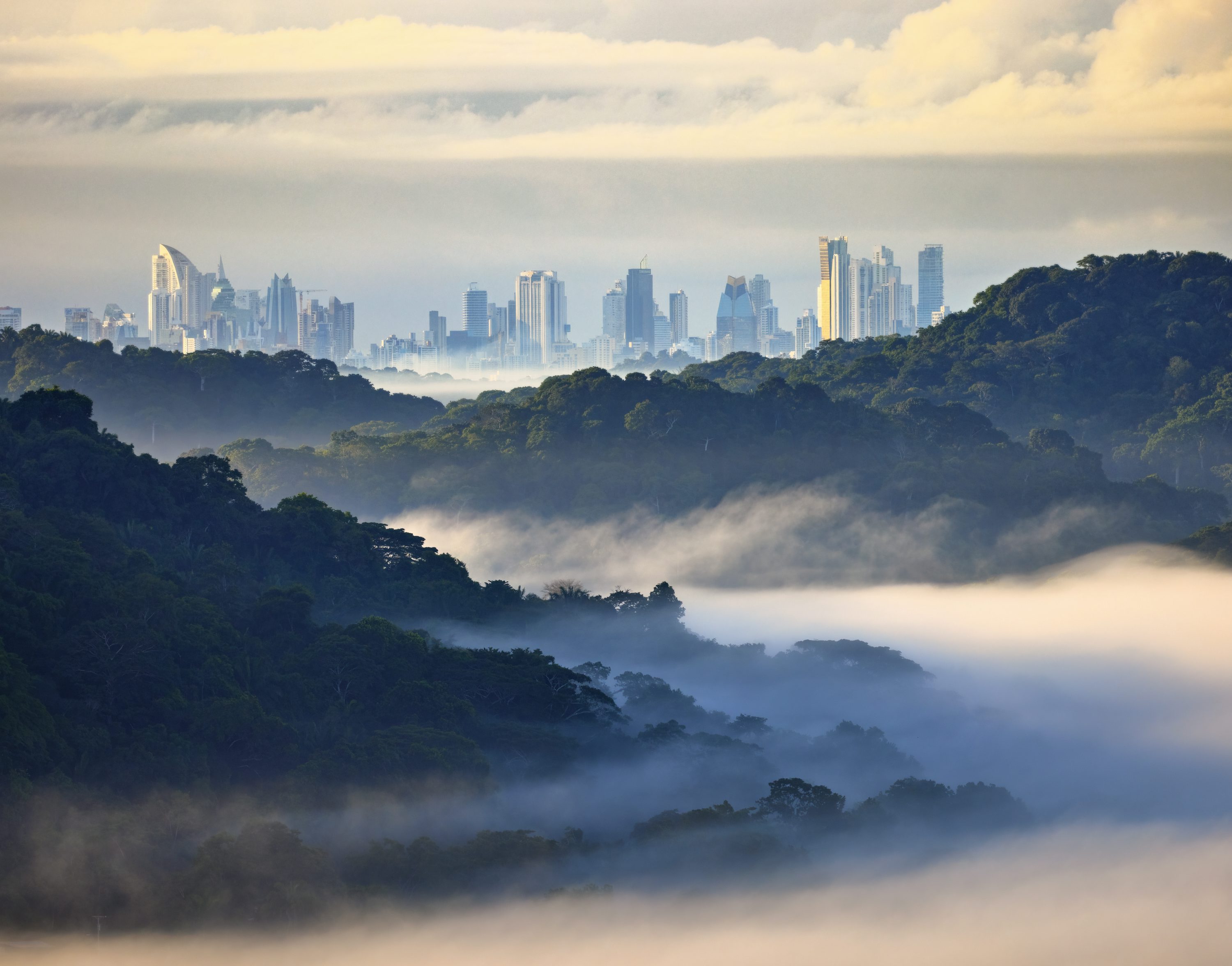
Here is the honest travel update: Panama City is open and moving, but the country is not in a uniform “business as usual” situation after the October 9 earthquake and the aftershocks that followed. Tocumen International Airport is operating, the Panama Canal is operating normally, and the capital’s tourism infrastructure is functioning. Several interior communities, however, are still dealing with damaged roads, bridges, utilities, buildings, and disrupted services.
What Is Open for Visitors?
The U.S. Embassy reported that Tocumen International Airport was operational after the quake, while warning travelers to expect possible cancellations or delays. The airport did temporarily suspend operations after the first shock, according to the Associated Press, and reopened hours later.
That distinction matters if you are flying through Panama City. A connection through Tocumen is not the same as a road trip into an earthquake-affected community. Check with your airline before leaving for the airport, allow extra time for changes, and keep your arrival plan flexible.
TravelPulse, citing the Panama Tourism Authority, reported that Panama City remains open to tourists and that most destinations continue operating. The Panama Canal has also reported normal operations. That is reassuring for people visiting the capital, Casco Viejo, the city’s restaurant districts, or using Panama as a regional flight connection.
Where the Situation Is Still Serious
The damage is concentrated away from the polished version of Panama that most visitors see online. Reuters reported more than 200 aftershocks, at least 27 injuries, and nearly 900 damaged homes in the days after the quake. AP reported damage to homes, schools, roads, bridges, hotels, and other facilities, with the government declaring a state of emergency.
Canada’s travel advice, updated October 16, identifies Veraguas, Coclé, Los Santos, and Herrera among the hardest-hit provinces. It says transportation, roads and bridges, power distribution, water and food supply, telecommunications, emergency services, and medical care may be disrupted in affected areas.
What Tourists Should Do Before Flying
1. Separate your airport plan from your road-trip plan
If you are flying into Panama City, verify your flight directly with the airline and keep a buffer for delays. If you are continuing by road, confirm that the route, bridges, and destination property are open. The airport operating does not guarantee that every onward route is operating normally.
2. Check the advisory for your exact destination
Travel advisories are regional for a reason. Canada advises avoiding non-essential travel to Arena, El Cacao, and Quebro in Veraguas Province because of earthquake damage. The U.S. Embassy advises staying away from damaged structures, following local authorities, and preparing for possible power and communications outages.
3. Do not enter damaged buildings
Aftershocks can cause additional damage even when the first tremor has passed. If a hotel, rental, bridge, church, or public building shows cracks or has been closed by authorities, do not decide that it is safe because other people are nearby. Ask the property manager or local authorities for confirmation.
4. Build a flexible first 48 hours
Keep your first itinerary simple. Stay in a confirmed property, carry backup power for your phone, keep important numbers offline, and avoid stacking a flight connection, long road transfer, and remote excursion on the same day. Flexibility is more useful than a perfect schedule while recovery work continues.
What This Means for Expats and Future Residents
For expats, the earthquake is a reminder to evaluate Panama at street level rather than through country-wide headlines. A building’s backup power, water storage, access roads, and management response matter more than a glossy neighborhood ranking when conditions change.
For someone considering relocation, this is not an argument for panic or for pretending nothing happened. Spend time in the neighborhoods you are considering, ask how buildings handled the disruption, and keep a realistic first-month plan. The same practical due diligence that protects a visitor also protects a future resident.
The Bottom Line
Panama is not closed to travelers. Panama City, Tocumen, and the Canal are operating, and the capital remains open for normal visitor activity. But some interior communities are still recovering, and official advisories are more specific than a simple “open” or “closed” headline.
If you are traveling soon, check your flight, verify your exact destination, follow local instructions, and leave room for changes. That is the most accurate way to read the news: come if your route is operating, but do not make affected communities carry the cost of your itinerary.
Sources: U.S. Embassy in Panama, Government of Canada travel advice, TravelPulse, Reuters, and Associated Press. Information checked October 19, 2026. This is editorial information, not emergency, immigration, tax, legal, or medical advice.